Modal Title
Lorem ipsum dolor, sit amet consectetur adipisicing elit. Iusto porro officiis beatae accusantium nam quis soluta? Sapiente in non inventore, explicabo distinctio, nostrum impedit delectus obcaecati corporis officiis, nihil repellendus.

Lorem ipsum dolor, sit amet consectetur adipisicing elit. Iusto porro officiis beatae accusantium nam quis soluta? Sapiente in non inventore, explicabo distinctio, nostrum impedit delectus obcaecati corporis officiis, nihil repellendus.

Blog:How Often Should Diabetics Get Eye Exams?

Diabetes affects many parts of the body, including the eyes. Even when vision seems clear, diabetes can quietly cause changes that threaten long-term eye health. Regular eye exams are one of the most important steps people with diabetes can take to protect their sight.
Diabetes impacts the body’s ability to regulate blood sugar. Over time, elevated blood sugar levels can damage small blood vessels throughout the body, including those in the eyes. These delicate vessels supply oxygen and nutrients to critical structures like the retina.
When blood sugar levels remain high or fluctuate frequently, the blood vessels in the eyes can leak, swell, or become blocked. In some cases, new abnormal blood vessels can form, increasing the risk of vision loss. Because these changes often occur without noticeable symptoms at first, regular eye exams are essential.
People with diabetes are at a higher risk for several eye conditions, including:
A diabetic eye exam is a comprehensive eye evaluation designed to detect early signs of diabetes-related eye disease. It typically includes:
Dilating the eyes allows the eye doctor to see the blood vessels at the back of the eye clearly and detect changes long before symptoms appear.
For most people with diabetes, a comprehensive dilated eye exam is recommended once every year. Annual exams allow eye doctors to monitor subtle changes and intervene early if needed.
Some individuals may need eye exams more often than once a year, including those who:
Your eye doctor will recommend a personalized exam schedule based on your eye health and medical history.
If you have diabetes, regular eye exams are essential. Even if your vision seems fine, diabetes can cause hidden damage that only a comprehensive eye exam can detect. Staying consistent with annual exams, or more frequent visits when recommended, is one of the best ways to protect your eyesight for years to come.
Schedule a diabetic eye exam at East Windsor Eye Care for early detection, personalized care, and ongoing monitoring. Visit our office in East Windsor, New Jersey, or call (609) 309-2850 to book an appointment today.
Flowbite is an open-source library of interactive components built on top of Tailwind CSS including buttons, dropdowns, modals, navbars, and more.
Check out this guide to learn how to get started and start developing websites even faster with components on top of Tailwind CSS.
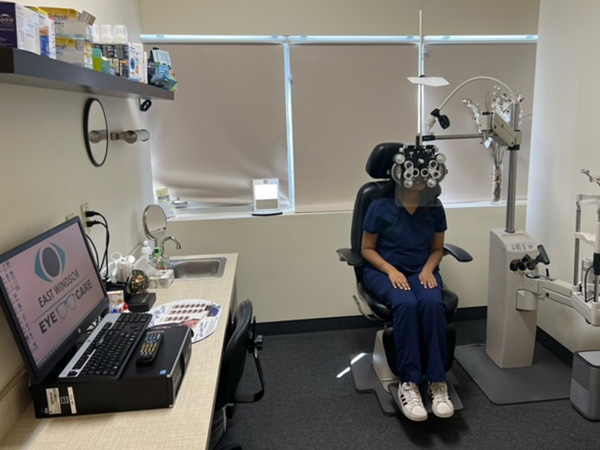
Discover personalized eye care excellence with our comprehensive services. From eye exams to advanced diagnostics, trust us for all your vision needs.
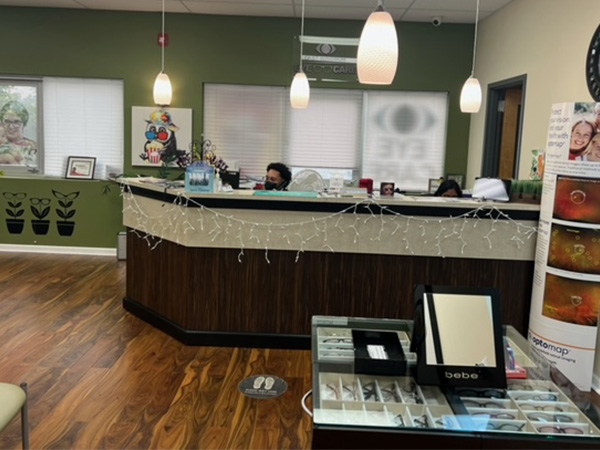
For non-urgent questions or to learn more about our services, contact us today!
© 2026 East Windsor Eye Care. All rights Reserved - Accessibility Statement - Privacy Policy - Sitemap
Managed and Designed by 
