Modal Title
Lorem ipsum dolor, sit amet consectetur adipisicing elit. Iusto porro officiis beatae accusantium nam quis soluta? Sapiente in non inventore, explicabo distinctio, nostrum impedit delectus obcaecati corporis officiis, nihil repellendus.

Lorem ipsum dolor, sit amet consectetur adipisicing elit. Iusto porro officiis beatae accusantium nam quis soluta? Sapiente in non inventore, explicabo distinctio, nostrum impedit delectus obcaecati corporis officiis, nihil repellendus.

Blog:Scleral Lenses vs. Standard Contacts: Finding Relief for Severe Dry Eyes During Central NJ Humid Summers
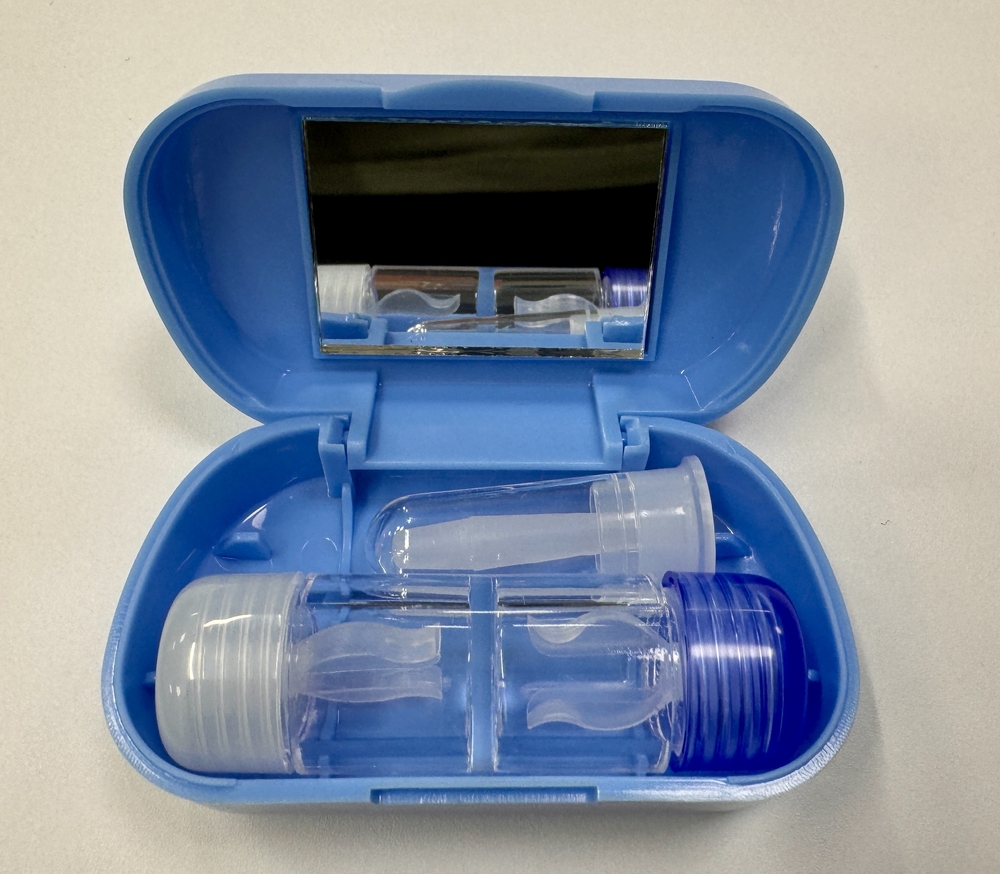
Humid summer weather may sound helpful for dry eyes, but many Central NJ patients still experience burning, redness, fluctuating vision, and contact lens discomfort. Air conditioning, increased screen time, seasonal allergens, dehydration, and outdoor irritants can all make symptoms harder to manage. When standard contact lenses become uncomfortable, scleral lenses may provide a more supportive option for patients with severe dry eye.
Standard soft contact lenses sit directly on the cornea and rely on a healthy tear film to remain comfortable. For patients with severe dry eyes, the lenses may begin to feel dry, tight, or irritating as the day continues. Vision can also become less stable when the tear film breaks up quickly.
Summer routines can add to the problem. Spending long hours in air-conditioned offices, driving with vents directed toward the face, swimming, and using digital devices can increase irritation. Even when outdoor humidity is high, indoor environments may still leave the eyes feeling dry.
Scleral lenses are larger than standard contacts. Instead of resting directly on the cornea, they vault over it and rest on the white part of the eye, known as the sclera. Before insertion, the bowl of each lens is filled with preservative-free saline. This creates a fluid reservoir between the lens and cornea that helps keep the eye’s surface hydrated throughout wear.
The stable design can also provide clearer, more consistent vision for patients whose dry eye symptoms cause frequent visual fluctuations. Because scleral lenses are gas permeable, oxygen can pass through the lens material to support the health of the eye.
The best contact lens depends on the health and shape of your eyes, the severity of your symptoms, and your daily visual needs. Key differences include:
Standard contacts may still work well for patients with mild or occasional dryness. However, those who experience persistent discomfort, limited wearing time, or unstable vision may benefit from a scleral lens evaluation.
Scleral lenses may be recommended for severe dry eye syndrome, irregular corneas, keratoconus, corneal scarring, or discomfort following certain eye procedures. They can also help some patients who have been told they are difficult to fit with traditional contacts.
At East Windsor Eye Care, we evaluate the corneal surface, tear film, prescription, and lens fit before recommending a specialty contact lens. A personalized fitting is essential because each scleral lens must align properly with the eye while maintaining adequate clearance over the cornea.
Schedule a scleral lens evaluation with East Windsor Eye Care in East Windsor, NJ, by calling (609) 308-2850 and discover a more comfortable way to see clearly this summer.
Flowbite is an open-source library of interactive components built on top of Tailwind CSS including buttons, dropdowns, modals, navbars, and more.
Check out this guide to learn how to get started and start developing websites even faster with components on top of Tailwind CSS.
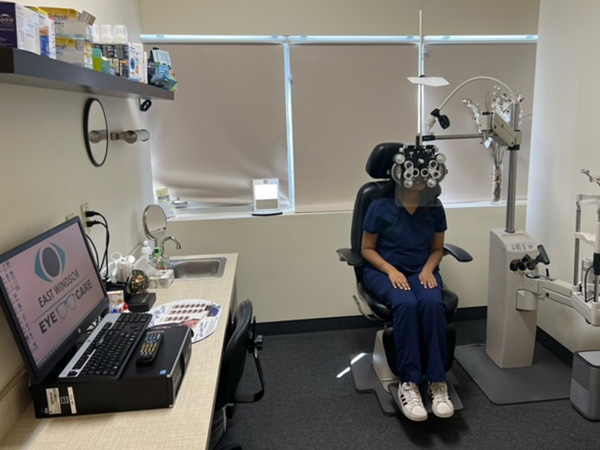
Discover personalized eye care excellence with our comprehensive services. From eye exams to advanced diagnostics, trust us for all your vision needs.
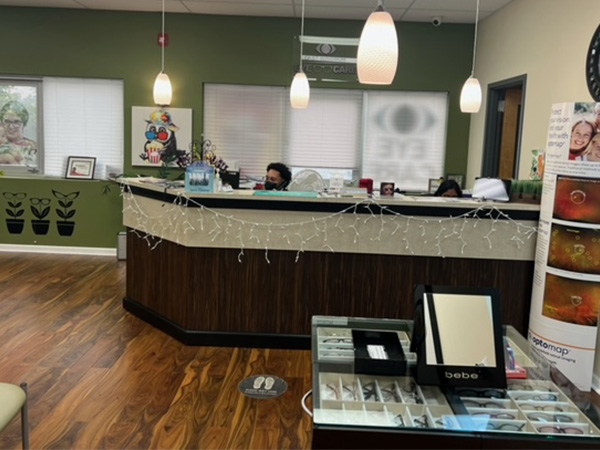
For non-urgent questions or to learn more about our services, contact us today!
© 2026 East Windsor Eye Care. All rights Reserved - Accessibility Statement - Privacy Policy - Sitemap
Managed and Designed by 
